


Feng Shui, as a crystallization of traditional Eastern wisdom, reveals the deep influence of spatial layout on emotional relationships by adjusting the energy interaction between people and the environment. Love, as the most delicate emotional connection among humans, is intimately related to the energy field of the living environment in its germination, development, and decline. Next, we will analyze how spatial energy shapes love fortunes from the perspective of Feng Shui theory and provide actionable adjustment plans.
I. The Resonance Principle Between Spatial Energy and Emotional Fields
Feng Shui believes that everything has an aura. As the most important energy field for humans, the living space’s five-element attributes, orientation layout, and airflow direction directly affect the emotional state of the occupants. For example, the northwest represents the “Qian” hexagram, symbolizing male authority in the family; the southwest corresponds to the “Kun” hexagram, which governs female fortunes. When these two directions have missing corners, clutter accumulation, or energy blockage, it can easily lead to an imbalance in marital relationships, resulting in a pattern of “Yin prevailing over Yang” or “Yang prevailing over Yin”.
Airflow theory further reveals that the bedroom, as the area where emotional energy is most concentrated, has a direct impact on emotional interactions between couples through its air circulation quality. When doors and windows face each other, creating a “cross-ventilation” effect, the rapidly flowing air currents can carry away emotional energy, leading to relationship alienation; whereas an overly enclosed space may accumulate negative emotions, triggering unnecessary disputes.

II. Bedroom Layout: Incubator of Emotional Energy
1. The golden rule of bed placement
Placing the bed head against a solid wall symbolizes emotional support and avoids the insecurity brought by being suspended in midair. The best position is the “prolonging life direction” in marital numerology, which can be determined through the eight-character horoscope. Special attention should be paid to avoiding placing the bed head opposite a mirror, as mirror reflections at night can create “light evil” and interfere with subconscious communication during deep sleep.
2. Feng Shui application of color psychology
Although pink is generally regarded as the color of love, excessive use can lead to energy overload. It is recommended to use light beige as the main tone, paired with local rose gold decoration, which not only maintains the brightness of the space but also enhances emotional stability through metallic elements. For couples in the honeymoon phase, two green plants can be placed in the southwest corner, symbolizing the vitality of mutual growth.
3. Emotional implications of lighting design
Adjustable lighting fixtures can create a multi-layered emotional atmosphere. The warm light of 3000K is suitable for intimate moments, while the natural light of 4000K is conducive to daily communication. Avoid using harsh cool white light, especially for bedside lamps, which should choose soft indirect lighting to prevent direct light from causing emotional tension.
III. Public areas: Energy fields for emotional communication
1. Emotional metaphor of the circulation route in the living room
The sofa arrangement should form a “U” shape enclosure, symbolizing mutual support among family members. The TV background wall should not face directly towards the main sofa, as this “confrontational” layout is prone to triggering conflicts of opinion. Placing a round crystal in the northwest corner of the living room can enhance the inclusiveness of male members.
2. The empathy effect of restaurant feng shui
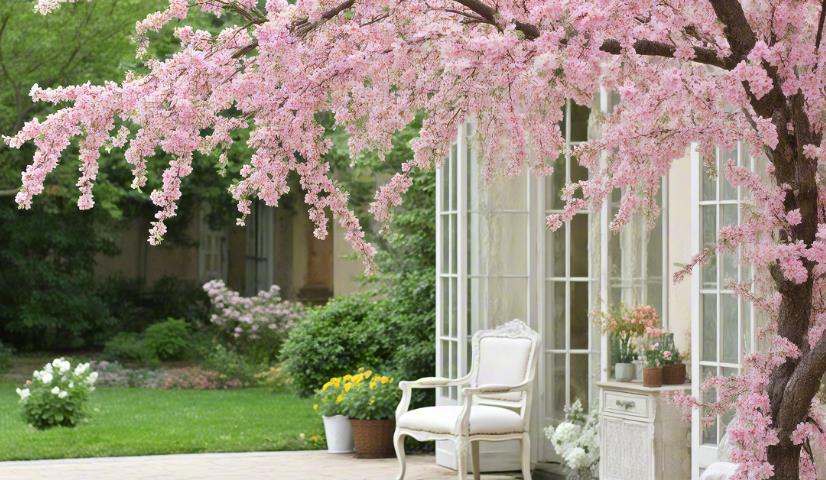
A round dining table is more conducive to emotional communication than a square one, as its edgeless design reduces a sense of confrontation. The height of the chandelier should be kept at 70-80 centimeters above the tabletop, which ensures adequate lighting for dining while avoiding a sense of oppression from being “overhead”. Regularly changing the flowers in the center of the table can continually inject fresh emotional energy.
3. Subconscious influence of channel design
The winding corridors can hinder the flow of emotions, making it crucial to keep the passageways unobstructed. Artistic decorations can be placed at the end of the corridor to transform “dead ends” into visual focal points, symbolizing a positive turn in emotional relationships.
IV. Energy purification: The key to breaking emotional dilemmas
When a relationship faces a crisis, targeted feng shui adjustments can be made: placing a pink crystal seven-star formation in the southeast corner of the bedroom to enhance emotional attraction; wiping the door and window frames with sea salt to remove accumulated negative energy; regularly replacing bedding, especially choosing fabrics with diagonal patterns, to activate stagnant emotional energy.
It is worth noting that Feng Shui adjustments should be complemented by psychological construction. After optimizing the spatial layout, residents should actively cultivate communication habits and turn environmental improvements into opportunities for relationship enhancement.
Feng Shui provides modern people with a unique perspective to understand emotional relationships. It is not the only factor determining love, but it is an important energy catalyst. By scientifically adjusting the living environment, we can not only create a more comfortable living space, but also inject lasting vitality into love. When physical space and emotional needs achieve harmonious resonance, love can naturally thrive in a suitable energy field.


Leave a Reply