


Feng Shui, as an ancient Eastern wisdom, shares its core concept – promoting harmonious coexistence between humans and nature through optimizing environmental layout – with the environmental health philosophy in modern health science. This article will explore how to improve the living environment through Feng Shui practices, combining global practices with scientific principles, thereby promoting physical health.
Ⅰ. Spatial layout: Creating a dynamic and balanced aura
Feng Shui emphasizes “concealing wind and gathering qi”, which means maintaining the balance of energy flow through reasonable spatial design. In modern architecture, although open layouts are popular, excessive transparency may lead to direct airflow, forming a “cross-hall evil”, affecting the emotional stability of residents. The principle of “a winding path leads to a secluded spot” can be referenced, with screens or green plants placed at the entrance to guide the airflow to flow slowly and avoid energy loss. For example, Nordic minimalist style residences often use wooden partitions to divide functional areas, which maintains the sense of spatial transparency while also meeting the Feng Shui requirement of “qi field detouring”.
As the core area for rest, the bedroom should be arranged with the bed positioned against a solid wall and avoiding direct exposure to doors or windows. This layout can reduce external disturbances and enhance sleep quality. An Australian study revealed that participants whose beds were positioned against a wall experienced an average increase of 22% in deep sleep duration, aligning with the Feng Shui principle of “having a backrest”. Additionally, keeping the space beneath the bed clear and avoiding clutter can reduce the breeding of dust mites and lower the risk of allergies.
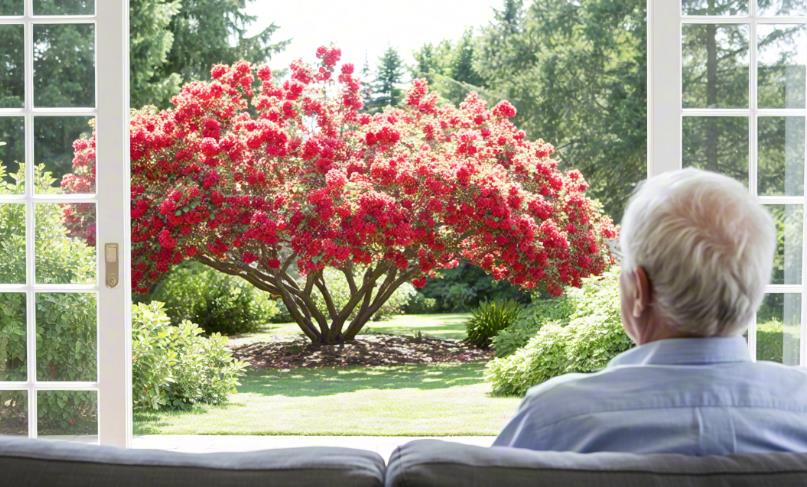
II. Natural Elements: Activating the Healing Power of the Environment
1. Circulation of light and air
Abundant natural light and fresh air are the core elements of Feng Shui’s “vitality”. Due to the long winters in Nordic countries, large windows are commonly used, combined with adjustable blinds, which maximize sunlight intake while avoiding overheating in summer. Studies have shown that people who are exposed to natural light for more than 2 hours per day have significantly higher vitamin D levels and 30% fewer depressive symptoms.
In terms of ventilation, the design of Singaporean HDB flats emphasizes the “cross-ventilation window” system, which forms natural air ducts through the combination of high and low windows, effectively reducing indoor carbon dioxide concentration. Coupled with air-purifying plants (such as Snake Plant and Ivy), it can further purify pollutants such as formaldehyde, achieving a similar effect to mechanical ventilation systems but with lower energy consumption.
2. The fluidity and balance of water
Water symbolizes wealth and vitality in Feng Shui, but one must avoid “water and fire clashing”. As areas of “water and fire”, the kitchen and bathroom should be kept dry and ventilated to prevent mold growth. The German health department recommends turning on the exhaust fan within 30 minutes after taking a shower to control humidity below 50% and suppress mold spore reproduction.
Small water features, such as tabletop fountains, can increase environmental humidity and alleviate respiratory discomfort caused by dryness. However, regular cleaning is necessary to prevent bacterial growth. Japanese research shows that moderate water features can increase the indoor negative oxygen ion concentration by 15%, which helps to relieve stress.
III. Color and Material: Dual Regulation of Psychology and Physiology
The Feng Shui color theory is based on the Five Elements, and modern psychology has confirmed that color has a significant impact on emotions. For example, light blue (associated with water) can lower blood pressure and is suitable for bedrooms; beige (associated with earth) can enhance focus and is commonly used in study rooms. An experiment conducted by Stockholm University in Sweden found that subjects working in a light blue environment experienced an 18% decrease in anxiety levels and a 12% increase in work efficiency.
In terms of material selection, natural materials (such as solid wood and cotton and linen) are more in line with the Feng Shui concept of “natural harmony”. According to data from the Canadian Environmental Protection Agency, indoor formaldehyde concentrations in rooms with solid wood furniture are 60% lower than those in rooms with man-made boards. Moreover, solid wood furniture has a warm and smooth feel, which can alleviate visual fatigue.

IV. Integration of Technology and Tradition: Modern Feng Shui Practice
In terms of electromagnetic radiation prevention and control, the Feng Shui principle of “avoiding evil influences” aligns with modern electromagnetic safety standards. It is recommended to keep devices such as routers and microwave ovens away from resting areas and use shielding materials to reduce radiation. Research conducted by the Swiss Federal Institute of Technology has confirmed that participants who had no electronic devices within 1 meter of their bed reported a 25% improvement in sleep quality scores.
The intelligent environmental monitoring system can assist in Feng Shui practice. For example, the system can automatically adjust the humidifier through temperature and humidity sensors to maintain an ideal humidity range of 40%-60%. The light sensor adjusts the color temperature of indoor lighting according to circadian rhythms, simulating natural light changes and promoting melatonin secretion.
V. Feng Shui Health Preservation from a Global Perspective
Feng Shui for health preservation is not a regional practice, but a universally applicable environmental health strategy. The atrium design of desert residences in Dubai introduces natural light and ventilation, combining the Feng Shui “four elements” layout (front with the ZhuQue, back with the XuanWu, left with the QingLong, and right with the BaiHu) to achieve a balance between energy efficiency and living comfort. The rainforest community in Brazil draws on the Feng Shui concept of “borrowing scenery” to bring natural landscapes indoors, reducing residents’ stress hormone levels.
The core of Feng Shui health preservation lies in stimulating the body’s self-healing ability through environmental optimization. From minimalist design in Northern Europe to ecological architecture in the Middle East, global practices have proven that reasonable spatial layout, the use of natural elements, the matching of colors and materials, and the integration of technology and tradition can significantly enhance the physical and mental health of residents. In today’s pursuit of efficient living, revisiting Feng Shui wisdom may provide new ideas for modern health management.





Leave a Reply