

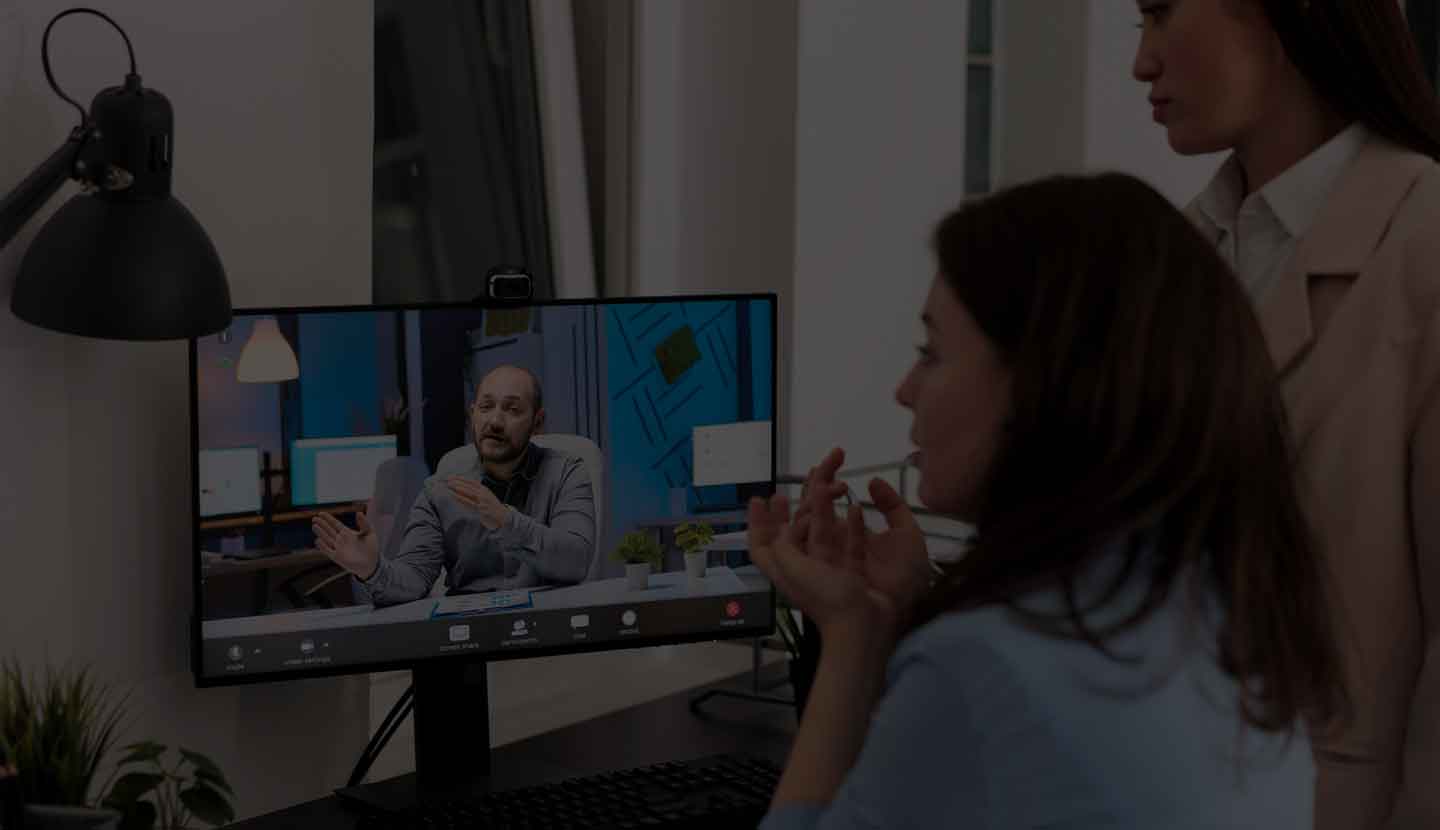
Office Feng Shui has an impact on personal career development, work efficiency, and team atmosphere. Good office Feng Shui can guide everyone to create a harmonious, positive, and career-friendly working environment.
Ⅰ.Office layout and Feng Shui
Overall spatial planning: Analyze the impact of different layouts on Feng Shui, from the entrance of the office, corridors to various functional areas. For example, the entrance should not face directly towards the elevator or stairs to avoid the leakage of wealth energy; corridors should be kept clear and avoid twists and turns to prevent obstruction of airflow. At the same time, introduce how to reasonably divide office areas, meeting areas, rest areas, etc. according to the size and shape of the office, making space utilization more efficient and the atmosphere more harmonious.
Feng Shui for Office Desk Placement: A detailed explanation of the orientation, placement, and relationship between the office desk and its surrounding environment. For example, it is not advisable to have the office desk facing away from doors or windows, as this can lead to a lack of security and affect work efficiency; instead, it should be positioned facing the door as much as possible, so as to receive information and opportunities in a timely manner. Additionally, it will introduce how to choose the appropriate orientation of the office desk based on one’s birth date and eight characters, as well as the five elements, in order to enhance personal fortune.
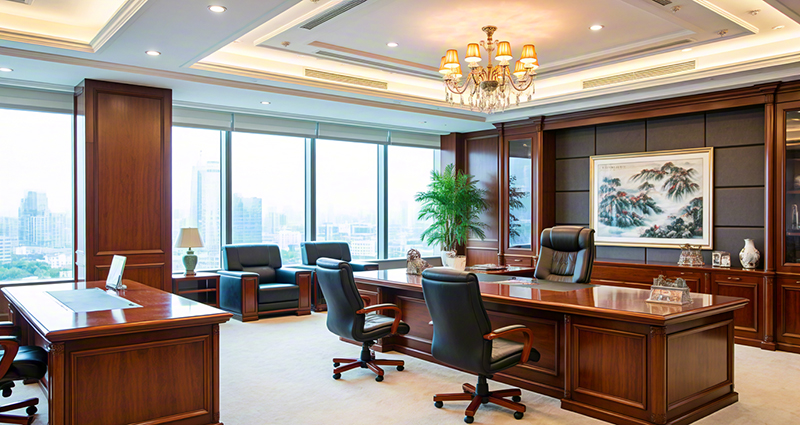
Selection of office furniture and decorations: Analyze the impact of different materials, colors, and shapes of office furniture on Feng Shui. For example, wooden furniture gives a warm and stable feeling, suitable for creating a harmonious office atmosphere; metal furniture has a modern and technological feel, but it is important to avoid overly sharp shapes to avoid generating negative energy. At the same time, introduce how to choose appropriate decorations, such as green plants, calligraphy and paintings, crystals, etc., to improve the Feng Shui of the office and add vitality and energy.
Ⅱ.Office Feng Shui for Different Positions
Feng Shui for Leaders’ Offices: Provides personalized Feng Shui advice for the offices of corporate leaders and managers. From the location selection and decoration style to the arrangement of furniture, it emphasizes the need to reflect authority, stability, and grandeur. For example, the area of the leaders’ office should be relatively large to highlight their status; the decoration style should be simple and elegant, avoiding being overly garish; the office desk should be placed in the center of the office to enhance control.
Feng Shui in Employee Office Area: Pay attention to the office environment and Feng Shui layout for ordinary employees. Introduce how to improve employees’ work enthusiasm and efficiency through reasonable seat arrangement, placement of office supplies, etc. For example, employee seats should not be too crowded, and a certain spatial distance should be maintained to avoid mutual interference; items on the desk should be neatly arranged to avoid clutter, which can affect mental clarity.
Feng Shui for Financial and Business Offices: This analysis focuses on the key Feng Shui considerations for two crucial departments: the financial office and the business office. The financial office, which oversees the financial fortunes of the enterprise, should be situated in a secluded and secure location, avoiding direct exposure to the main entrance or hallway to prevent the leakage of financial energy. Additionally, the safe within the financial office should be placed in a stable and secure position, symbolizing the stability of wealth. On the other hand, the business office, which is closely linked to the expansion of the enterprise’s business and communication with clients, should be kept bright and ventilated. Decorations that embody vitality and dynamism should be displayed to attract clients and opportunities.
Ⅲ.Feng Shui improvement suggestions and tips
Short-term improvement methods: Provide some simple and feasible short-term Feng Shui improvement techniques to help readers quickly adjust the Feng Shui of their offices without the need for large-scale renovations. For example, by adjusting the placement of items on the desk, changing the color of curtains, adding green plants, etc., the atmosphere of the office can be improved, and work efficiency can be enhanced.
Long-term planning advice: For businesses and individuals who have the conditions for office renovation or relocation, we provide long-term Feng Shui planning advice. From the selection of office location, architectural design to interior decoration, Feng Shui factors are taken into account to ensure that the office conforms to Feng Shui principles from the overall layout to the details, laying a good foundation for the long-term development of businesses and individuals.





Leave a Reply