


Feng Shui, as an important component of Chinese traditional culture, aims to improve the health, wealth, and interpersonal relationships of residents by adjusting the energy flow (qi) in the living environment. Modern home Feng Shui combines traditional wisdom with scientific concepts, with its core focus on creating a harmonious and livable living space. The following provides a professional analysis of the main considerations in home Feng Shui.
Ⅰ. Site selection and orientation: the convergence point of heavenly and earthly energies
1. Selection of geographical environment
Traditional Feng Shui emphasizes the ideal layout of “surrounded by mountains and embraced by water”, which in modern cities can be interpreted as a layout with a backdrop (high-rise buildings or mountains) and an open front. It is necessary to avoid locations where negative energy gathers, such as T-junctions, high-voltage power towers, or hospitals. For example, the Bank of China Tower in Hong Kong simulates the auspicious layout of “water gathering at the center of the sky” by designing decorative water flow patterns.
2. Towards science
The principle of facing south aligns with natural principles: it shields against cold northwest winds in winter and welcomes cool southeast winds in summer. Modern research confirms that south-north transparent layouts ensure even lighting, with ventilation efficiency 37% higher than east-west layouts. If conditions are limited, shading facilities can be used to regulate sunlight exposure in summer.
3. Direction and Five Elements
Determine the auspicious direction based on the resident’s birth date and eight characters:
People with a Wood element should choose the East (Wood position)
People with a fire element should choose the south (fire position)
People with Earth element should choose the central position (Earth position)
People with a metal element in their destiny should choose the west (metal position)
People with a water element in their horoscope should choose the north (water element)
II. Spatial layout: Design of energy flow channels
1. Feng Shui of the main entrance
As the “entrance”, the design of the main gate should pay attention to:
Size proportion: The height should be slightly higher than the floor height, and the width should be in a 1:50 proportion to the house area.
Material selection: Wooden doors balance the energy field, while metal doors need to be paired with green plants to soften the atmosphere.
Principles for avoiding negative energy: Avoid facing directly at elevators (forming “tiger mouth negative energy”), stairs (leading to “qi leakage”), or the end of corridors (forming “spear negative energy”).
2. Living room layout
Shape requirements: A square or rectangular layout is preferred, avoiding polygonal structures.
Furniture arrangement: The sofa is arranged in a U-shape to gather qi, and the distance between the TV and the sofa should be kept at 3-5 meters.
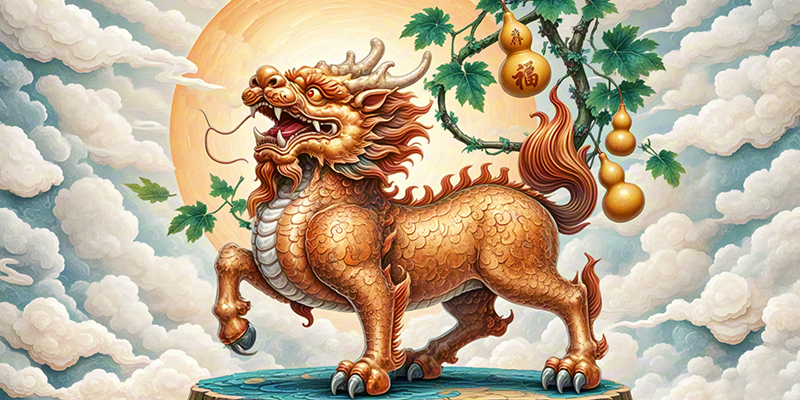
Wealth position management: Keep the diagonal position of the main door clean and tidy, and you can place a money tree or a Pixiu (a mythical creature with the function of guarding wealth) there.
3. Bedroom planning
Area control: The master bedroom should not be larger than the living room, with 15-20 square meters being optimal.
Bed arrangement:
The bed is placed against a solid wall (with a backing).
Avoid facing directly towards doors and windows (to avoid “drafts”).
The northwest position is beneficial for the male head of the household, while the southwest position is beneficial for the female head of the household.
Color selection: light pink aids sleep, dark blue reduces noise, and avoid bright reds and purples.
4. Kitchen and bathroom design
Kitchen’s Five Elements: It belongs to the element of fire, and it is suitable to use warm colors. The stove should avoid being opposite the sink (as water and fire are in conflict).
The bathroom is associated with the element of water, and it is important to keep it dry and well-ventilated. When not in use, the toilet lid should be closed.
Location taboo: Avoid having the kitchen directly facing the bedroom door (to avoid fume intrusion), and the bathroom should not be located in the center of the house (as it represents the “impure central palace”).

III. Balance of the Five Elements: The Art of Harmonizing Material and Energy
1. Color application
East (Wood): Green promotes career luck.
South (Fire): Enhance popularity through the use of red hues.
West (Metal): White enhances wealth luck.
North (Water): Blue hues boost career.
Central (earth): Yellow symbolizes stable family relationships.
2. Material selection
Wood element: solid wood furniture, bamboo decoration.
Fire element: lighting equipment, red decorations.
Earth element: ceramic vases, stone ornaments.
Gold element: metal lamps, copper crafts.
Water element: glass products, water flow devices.
3. Shape matching
Round (gold): Dining tables and coffee tables promote harmony.
Square (earth): desks and wardrobes enhance stability.
Wavy (water): Curtains and decorative paintings inspire.

IV.Detail Processing: The Art of Fine-tuning Energy Fields
1. Layout of green plants
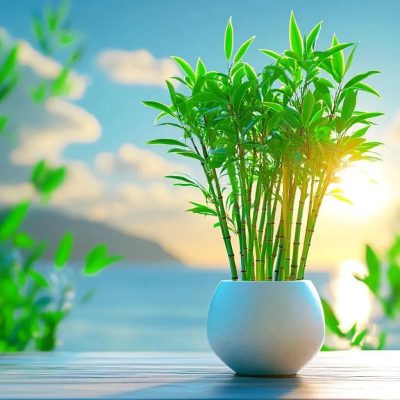
Living room: Large foliage plants (such as turtle-back bamboo) gather qi.
Bedroom: Small succulents (such as Snake Plant) help promote sleep.
Kitchen and bathroom: Moisture-tolerant plants (such as pothos) purify the air.
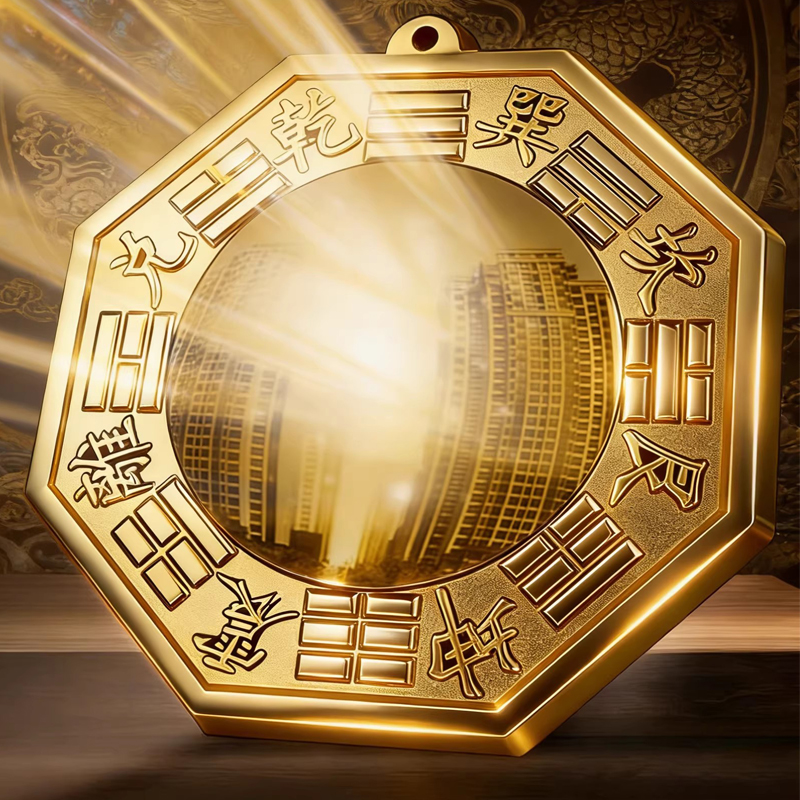
2. Use of mirror surface
Avoiding evil spirits: not facing the bed or the door.
Enhancing light: Place a mirror at the dark corner to reflect light.
Size: Not exceeding 1/3 of the wall area.
3. Selection of decorations
Calligraphy and painting: landscape paintings enhance career luck, while fish and bird paintings improve interpersonal relationships.
Craftwork: Crystal cave brings in wealth, while purple sand pot nurtures the soul.
Clocks and watches: Avoid the homophonic meaning of the word “end”, and the round dial promotes harmony.
Modern home feng shui is a fusion of traditional wisdom and scientific practice, with its core lying in creating living spaces that conform to ergonomics, environmental psychology, and energy balance. By systematically applying principles such as direction selection, space planning, and the harmonization of the five elements, not only can living comfort be enhanced, but it can also bring positive psychological cues and actual improvements in the quality of life to the occupants. As stated in the feng shui classic “Qing Nang Ao Yu,” “Qi is felt and responded to, and ghosts bring blessings to people.” Scientific home feng shui layout is indeed a wise path to creating a happy life.


Leave a Reply