


In Feng Shui, the direction a bed head faces is considered a crucial factor influencing the health, fortune, and even family harmony of the occupants. Combining traditional Feng Shui theories with modern scientific perspectives, the following analysis explains the logic behind choosing a bed head direction from multiple dimensions, helping you find the most suitable sleeping orientation.
I. Core Principles in Traditional Feng Shui Theory
1. North-South Orientation: Aligning with Earth’s Magnetic Field and Balancing Yin and Yang
The Earth’s magnetic field runs from the North Pole to the South Pole. When sleeping with your head facing south or north, the direction of blood circulation aligns with the magnetic lines, reducing magnetic interference and improving sleep quality. In Feng Shui, the north-south orientation is considered “yang,” which can replenish human energy, especially benefiting those who are physically weak or prone to fatigue. Modern science also confirms that sleeping in a north-south direction helps prevent cardiovascular and cerebrovascular diseases and boosts immunity.
2. Eastward Orientation: Welcoming the Sun and Energizing
The east is where the sun rises, symbolizing rebirth and hope. Facing east when sleeping allows you to greet the morning light, regulating your biological clock. It is particularly suitable for those who need to wake up early or have irregular schedules. In Feng Shui, the east belongs to the “wood” element, corresponding to the human liver. Long-term eastward sleep can enhance creativity and mental vitality, making it ideal for students, office workers, and the elderly.
3. Northwest Orientation: The Qian Gua Position for Stable Fortune
The northwest is the “Qian Gua” in Feng Shui, representing heaven, fatherhood, and authority. It is an ideal sleeping direction for elders or male heads of the household. This orientation can strengthen decision-making and leadership abilities while promoting deep sleep. If bedroom space is limited, soft color schemes for bedding (such as beige or light pink) can soften the rigid atmosphere of this direction, creating a gentle ambiance.
4. Avoiding the West: Metal Clashing with Wood and Imbalanced Energy
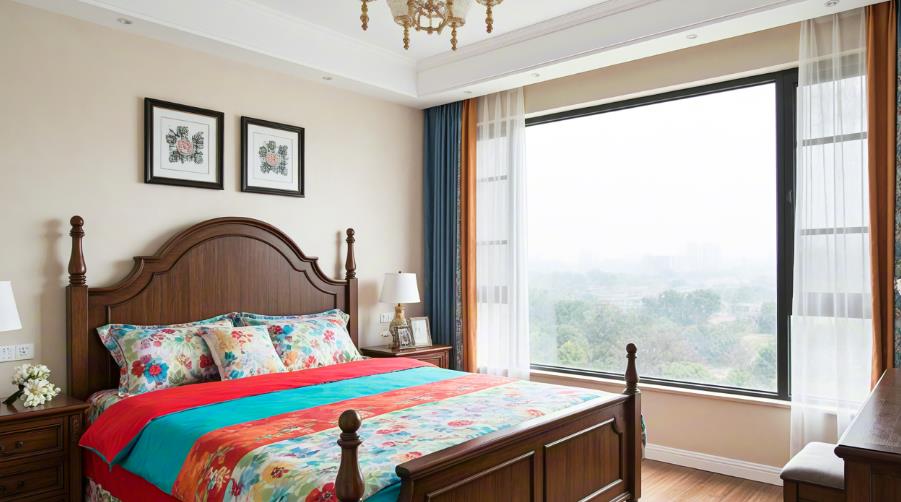
The west belongs to the “metal” element, which clashes with the “wood” attribute of the human body. Long-term westward sleep may lead to poor blood circulation and lethargy. In Feng Shui, the west also symbolizes “endings,” potentially triggering laziness and affecting work efficiency. If forced to sleep facing west due to space constraints, avoid gray or charcoal-colored bedding and opt for warm tones (such as orange-red) to harmonize the energy field.
II. Supplementary Verification from a Modern Scientific Perspective
1. Earth’s Rotation and Blood Circulation
The Earth rotates from west to east. If you sleep with your head facing west, blood may rush to your head due to centrifugal force, disrupting sleep. This aligns with the Feng Shui prohibition against westward sleep, highlighting the importance of physiological comfort during sleep.
2. Seasonal and Dynamic Adjustments to Orientation
Feng Shui advocates “nourishing yang in spring and summer, and yin in autumn and winter,” meaning sleeping with your head facing east in spring and summer (to absorb yang energy) and west in autumn and winter (to conserve yin energy). Modern individuals can adjust based on their schedules: in summer, if prone to restlessness, try facing north; in winter, if sensitive to cold, facing south can harness sunlight to warm the body.
III. Key Factors for Personalized Selection
1. Chinese Zodiac and Five Elements Destiny
Based on the five elements relationship between zodiac signs and directions, further refinement is possible:
Tiger, Rabbit: Auspicious directions are east, south, and north; inauspicious is west.
Snake, Horse: Auspicious directions are south and east; inauspicious is north.
Monkey, Rooster: Auspicious directions are west, southeast, and northeast; inauspicious is south.
For example, if a Snake zodiac person suffers from chronic insomnia, trying an eastward bed head may improve sleep through the “wood-fire nourishing” five elements relationship.
2. Health Conditions and Needs
Insomniacs: Prioritize north-south orientation to stabilize the energy field using Earth’s magnetism; if anxiety-induced insomnia, try eastward orientation to regulate emotions with morning light.
Physically Weak: Facing south absorbs yang energy to strengthen the constitution; elderly individuals afraid of cold may benefit from northward orientation, leveraging the “water” element’s nourishing properties (though warmth must be ensured).
Creative Workers: Facing east or southeast stimulates the “wood” element’s creativity and inspiration.
IV. Practical Considerations
Avoid Inauspicious Directions:
Do not place the bed head opposite doors, mirrors, or windows to prevent direct exposure to negative energy or privacy breaches.
Avoid leaning the bed head against walls shared with toilets or kitchens to prevent moisture and odors from affecting health.
The bed head must not be suspended in mid-air; it needs a solid wall as a “support” to enhance security and stability.
Integrate with Bedroom Layout:
In narrow bedrooms, place the bed along the diagonal to create a “gathering energy” pattern.
The foot of the bed must not face wardrobes or bookcases directly to avoid a “压迫感” (oppressive feeling) that affects psychological comfort.
Flexible Adjustments and Verification:
Feng Shui adjustments should align with personal feelings. If a direction theoretically suitable makes you uncomfortable, try slight adjustments or change bedding colors.
Continuously observe sleep quality and emotional changes, recording physical reactions under different orientations to gradually identify the most suitable direction.



Leave a Reply